Lesson 2: Midjourney, Flux, or Stable Diffusion?
Currently, there is a whole multitude of neural networks capable of generating images, but in this lesson, we will compare three of the most powerful and popular ones: MidJourney, Flux, and Stable Diffusion. Each of them has unique features, strengths, and weaknesses. We will break down their capabilities, compare them by key parameters, and test them on the same prompts so you can choose the right tool specifically for your tasks.
MidJourney
Description: MidJourney is a cloud-based neural network for image generation. It is known for its intuitive interface and the high quality of its artistic images.
Key features:
- Access: Via Discord, requires a subscription (from $10/month) or neural network aggregators like BotHub (from $2)
- Interface: Chat commands (e.g., /imagine prompt).
- Styles: Excellent for artistic styles (fantasy, surrealism, realism).
- Parameters: Supports adjusting quality (--q 2), style (--s 100), and aspect ratio (--ar 16:9).
- Limitations: No local execution, limited number of generations in the free version.
Applications: Creating digital art, concept art, NFTs.
Flux
Description: Flux, developed by Black Forest Labs, is a modern neural network for image generation available both in the cloud and for local execution. It competes with MidJourney in quality and offers open-source capabilities.
Key features:
- Access: Cloud (e.g., via BotHub, from $0.0024/generation) or locally (Hugging Face, free with a GPU).
- Interface: API or web platforms.
- Styles: High detail, support for realism, anime, and abstraction.
- Parameters: Adjusting the number of steps (num_steps), cfg_scale (how closely it follows the prompt), and resolution.
- Limitations: Local execution requires powerful hardware (a GPU with 12+ GB).
Applications: Generating images for commercial projects, NFTs, local development.
Stable Diffusion
Description: Stable Diffusion is an open-source neural network by Stability AI, widely used for image generation. The model allows for fine-tuning, which makes it possible to accurately replicate desired styles. It is popular due to its flexibility and free local execution.
Key features:
- Access: Free locally (Hugging Face) or via cloud services (DreamStudio, BotHub).
- Interface: Web interfaces, APIs, GUIs (e.g., Stable Diffusion WebUI).
- Styles: Versatile, works well with custom models (LoRA, DreamBooth).
- Parameters: Support for negative prompts, seed, and sampling methods (DDIM, Euler).
- Limitations: Quality may be lower than MidJourney without fine-tuning; harder for beginners.
Applications: Customizing models, creating unique styles, research.
Let's briefly summarize:
- MidJourney: If you need a quick start, high quality, and are willing to pay.
- Flux: If detail, flexibility, and the ability to run locally are important.
- Stable Diffusion: If you need customization and a free solution.
Let's compare in practice
We will test the neural networks on three prompts to compare their results. For each neural network, we will use the same requests and settings (where possible). The prompts were chosen for different styles: realism, fantasy, and abstraction.
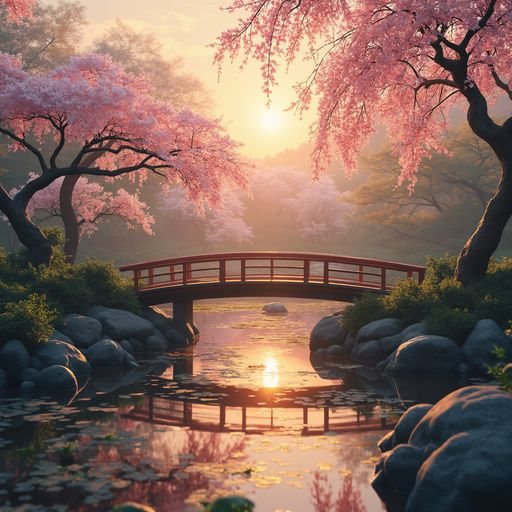
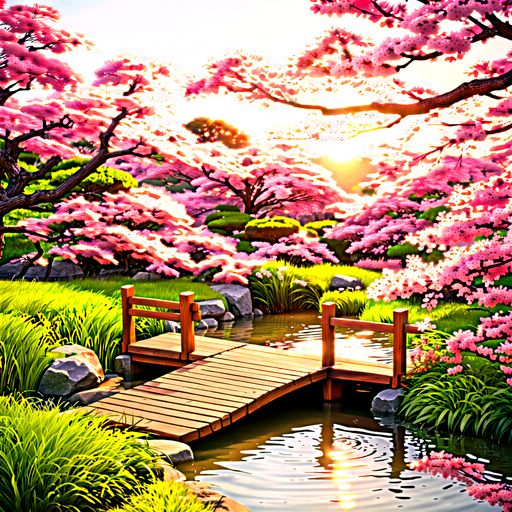
First prompt: "A serene Japanese garden at sunrise, with a wooden bridge over a pond, cherry blossoms falling, highly detailed, photorealistic"
Result from Flux Pro
Result from Stable Diffusion
Result from Midjourney v7
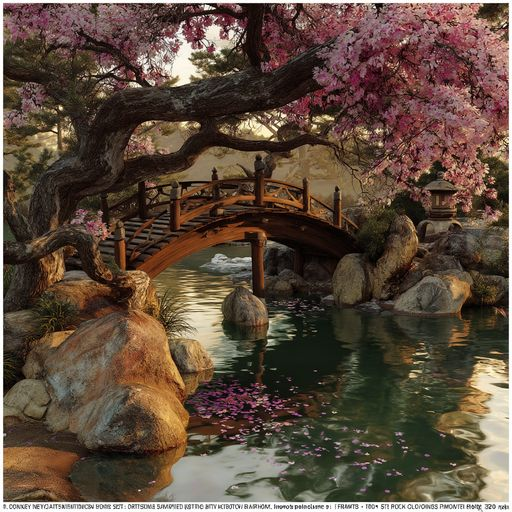
As you can see, the most unsatisfactory result came from Stable Diffusion—it is quite harsh in color and has strange detailing, such as the bridge blending into the water. This doesn't mean the model is of poor quality; it just requires a lot of preliminary fine-tuning work. Flux dev handled the prompt well—it included all the details, the logic is intact, and the style is close to realism. Midjourney is the clear winner in realism; the generated image looks like a full-fledged oil painting or photograph.
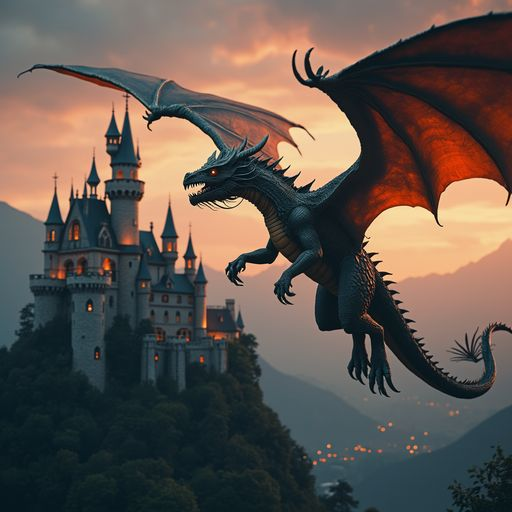
Second prompt: "A majestic dragon flying over a medieval castle at twilight, glowing scales, cinematic lighting, epic fantasy style".
Result from Flux Pro
Result from Stable Diffusion
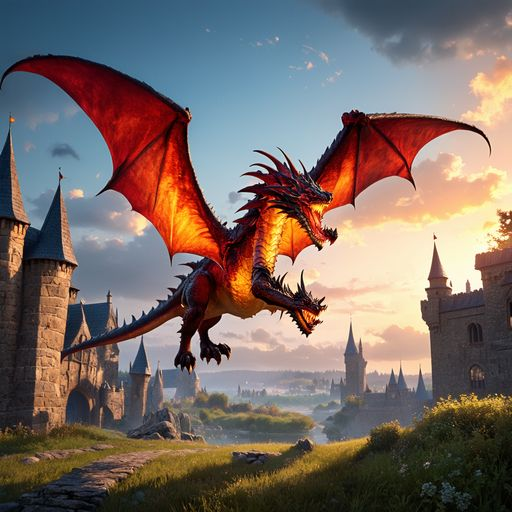
Result from Midjourney v7

Third prompt: "An abstract representation of human emotions, vibrant colors, surreal shapes, inspired by Kandinsky".
Result from Flux Pro
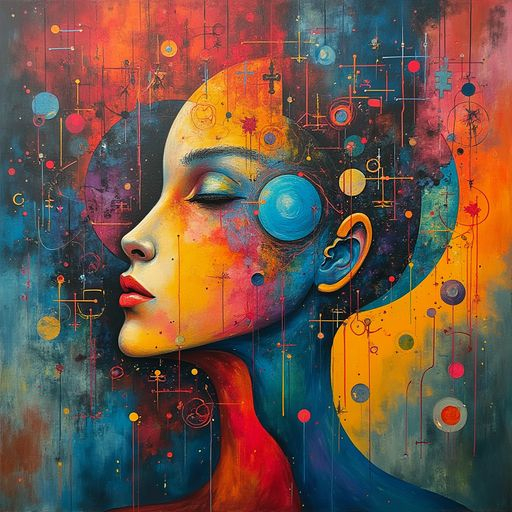
Result from Stable Diffusion
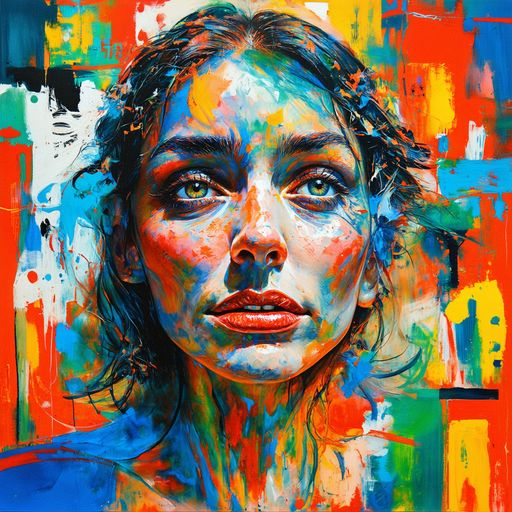
Result from Midjourney v7
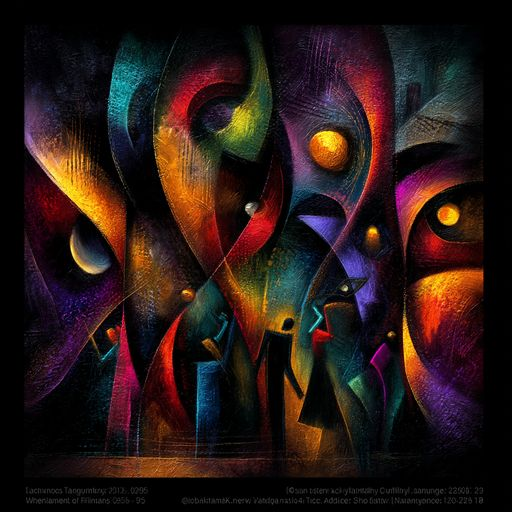
MidJourney, Flux, and Stable Diffusion offer powerful tools for image generation, but choosing between them depends on your goals, budget, and level of technical expertise. MidJourney is easy to use and quickly delivers high-quality results, especially in realism. Flux balances quality and flexibility, while Stable Diffusion is ideal for customization, though it makes quite a few mistakes without it. Try all three neural networks to see which one best suits your projects!