Lesson 6: Creating and Selling NFTs
Welcome to the 4th lesson of the module on creating digital art using neural networks! We have already covered how to work with Midjourney for commercial purposes, and in this lesson, we will dive deeper into the Flux model. We have a powerful tool at our disposal for creating unique digital art, and we will learn how to transform this art into NFTs that can be sold or collected.
What is NFT art?
An NFT, or Non-Fungible Token, is a unique digital certificate that proves ownership of something on the internet, such as a picture, music, video, or virtual item. In simple terms, it's like a digital passport that says: "This item belongs to me, and it is one of a kind." It attracts the attention of artists and collectors worldwide and opens up new opportunities for digital creativity.
Research and Idea
Before you start creating your NFT art, it is important to have a clear idea of what you want to create. This will be your starting point and guiding line in the creative process. Start with research: look at the work of other NFT artists, explore different styles and genres, find what you like, and what you want to bring to your own work.
Your research can be as broad as you allow it to be. You can explore art in general, both traditional and digital, different cultures and their visual traditions, nature, science, abstract ideas—anything that might inspire you to create a unique piece. Your research might include reading, visiting galleries and museums, watching videos, listening to music, talking to other artists, and much more. For help brainstorming ideas, you can turn to ChatGPT or Claude.
Remember that an idea is just the beginning. It is important not only to come up with an idea but also to continue developing and deepening it throughout the art creation process. Your initial vision may evolve and change as you work on your project, and this is part of the creative process. Don't be afraid to experiment and explore new directions as you progress on your creative journey.
The Creative Process with Flux
Now that you have an idea for your NFT art project, it's time to put your creativity into practice using the capabilities of Flux.
Creating the Art
Flux offers a variety of styles and parameters for creating unique images. It all starts with choosing a style that matches your idea. Then, you can adjust the generation parameters to detail your image.
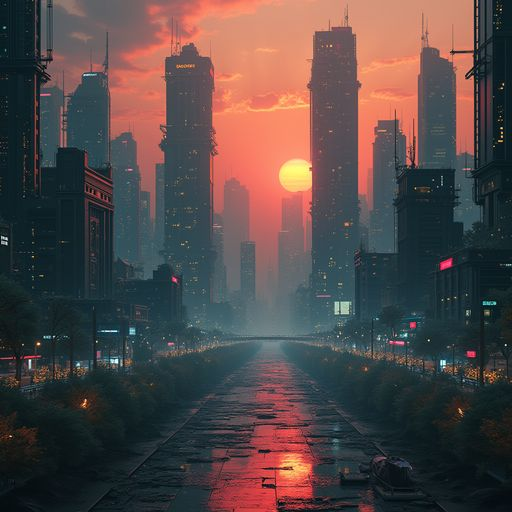
If you decide to create a futuristic cityscape, you can start by choosing a style that gives the image an urban vibe, then adjust the parameters controlling the atmosphere, lighting, composition, and other elements of the image. Your prompts might look like this:
"A futuristic city at sunset with tall buildings and skyscrapers, cinematic lighting, cyberpunk style colors":
Result from Flux
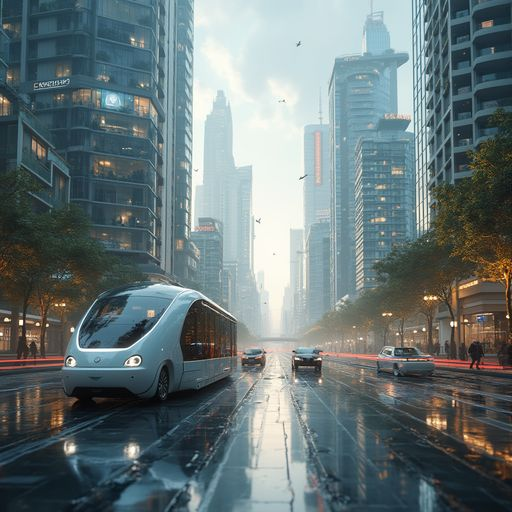
"An image of a city of the future with innovative technologies and unmanned transport in a realistic style":
Result from Flux
Don't be afraid to experiment. Create several variations by changing parameters and styles until you get an image you truly like.
Using ChatGPT and Flux Together
Sometimes it can be difficult to come up with specific prompts for visual descriptions, and this is where ChatGPT can help. This is a unique opportunity to bring in AI as a virtual assistant or even as a co-author.
First, determine the basic theme or idea of your project. Next, turn to ChatGPT to help formulate more detailed prompts for Flux. For example, your main idea might be a "fantasy city," and you can use ChatGPT to get detailed ideas.
For example, make the following request: "Suggest a detailed description for creating an image of a fantasy city using the Flux neural network"
Response:
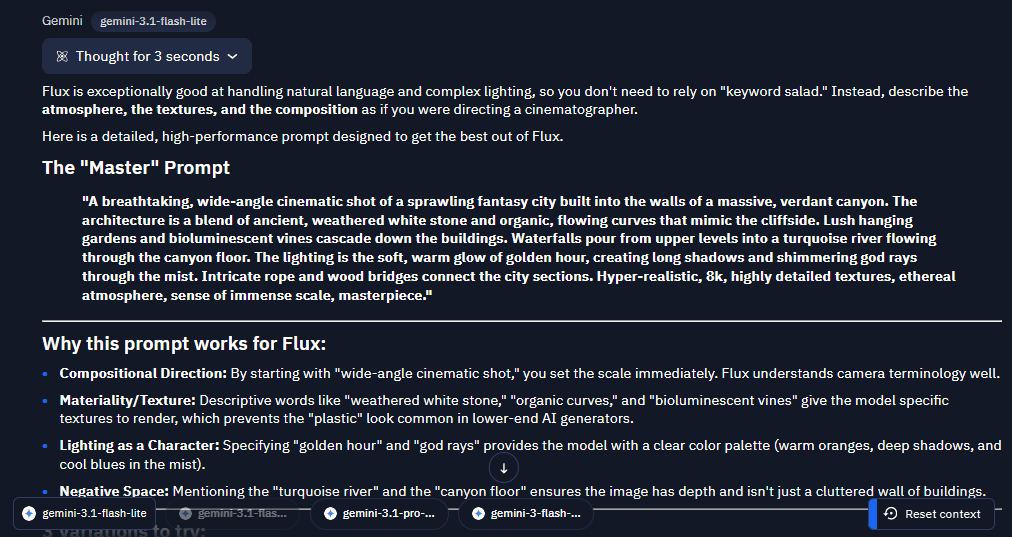
By formulating this and similar requests, you will get detailed and unique ideas for creating your NFT art. Sometimes the most unexpected and impressive images come from some of the most detailed and original prompts.
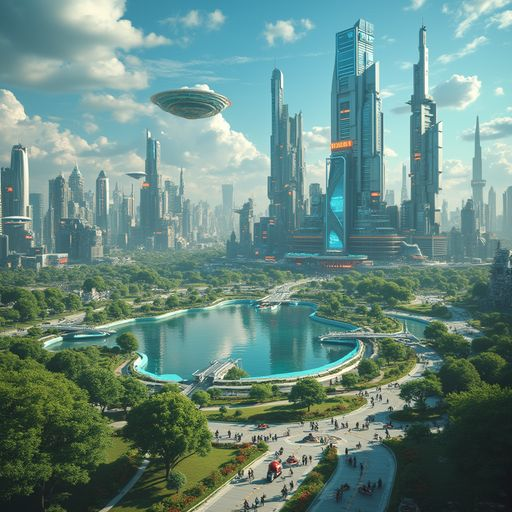
Here, for example, is what resulted from the description suggested by ChatGPT:
Result from Flux
Finalization and Export
When you are satisfied with the result, it's time to export your art. Remember that image quality is very important for NFTs, so make sure you are happy with every detail before exporting.
After exporting, you will have a high-resolution image file that you can upload to OpenSea or any other platform for creating NFTs. Now you are ready for the next stage: turning your digital art into an NFT.
Creating an NFT
The next step after creating your digital art is turning it into an NFT. This process involves several steps, which we will break down in detail below.
- Installing MetaMask
First, you will need a wallet to manage your digital assets. MetaMask is a browser extension that acts as your personal wallet for Web 3.0.
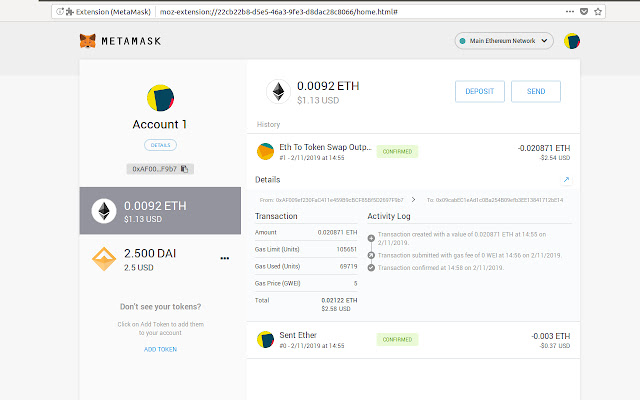
You can install it by following the instructions on the official MetaMask website. After installation, make sure you securely save your credentials and secret recovery phrase—they are essential for accessing your digital assets.
- Buying Ether
To create an NFT, you will need some Ether (ETH) to pay for transactions, or "gas," on the Ethereum blockchain. You can purchase ETH through many cryptocurrency exchanges or even directly through MetaMask. After purchasing, you must transfer the ETH to your MetaMask wallet.
- Creating an NFT on OpenSea
Now that you have a wallet and some ETH, you are ready to create an NFT. For this, we will use OpenSea, one of the largest platforms for trading NFTs. Go to the website and click the "Create" button.
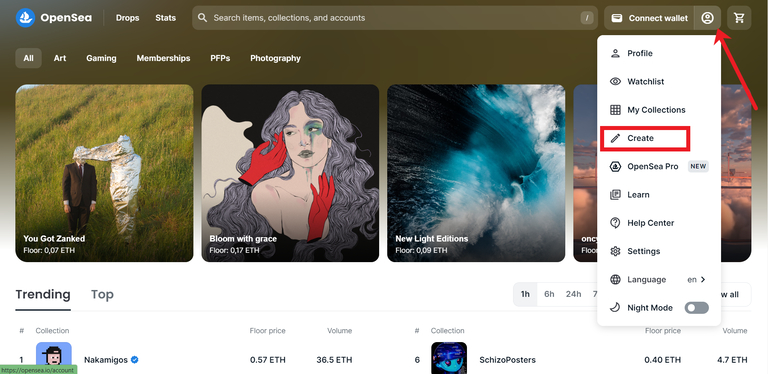
Go through the registration or login process by connecting your MetaMask wallet to OpenSea. Then you will be able to upload your digital art, specify its title, description, price, and other information. Once you are satisfied with the information, you can click the "Create" or "Mint" button to create your NFT.
Congratulations, you have just created your first NFT!
Please note that you will have to pay a small fee in ETH for the NFT creation process, so make sure you have enough funds in your balance.
Now your digital art can be sold as an NFT on OpenSea or any other NFT trading platform. This opens up a whole new world of possibilities for your creativity!
A Practical Example
Let's imagine you want to create NFT art on the theme of "Traditional Japan."
You turn to ChatGPT with the request: "Suggest ideas for NFT art on the theme of traditional Japan":
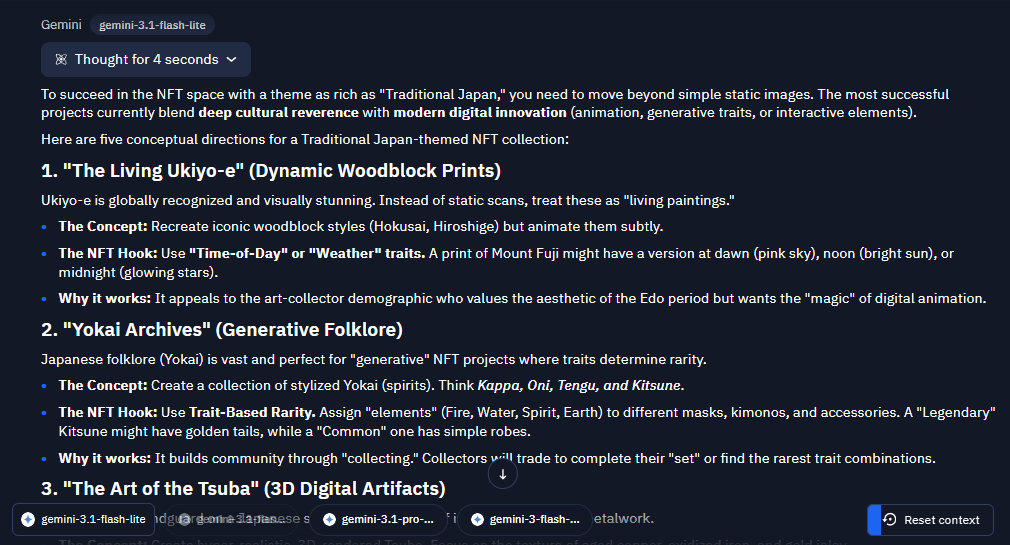
Next, you take any description you like and start experimenting in Flux, generating various images of blooming cherry blossoms and Japanese temples:
Option 1
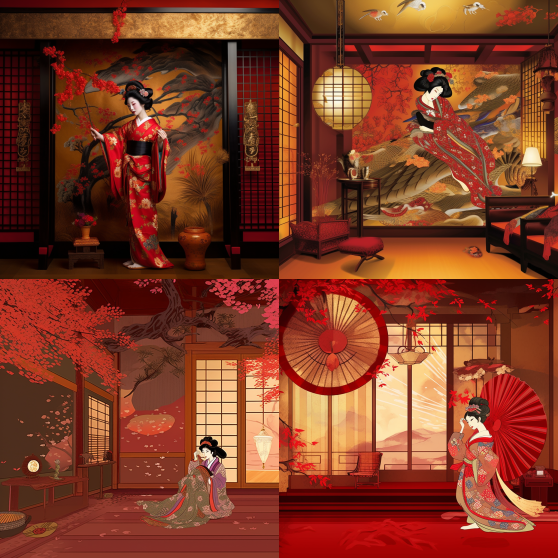
Option 2
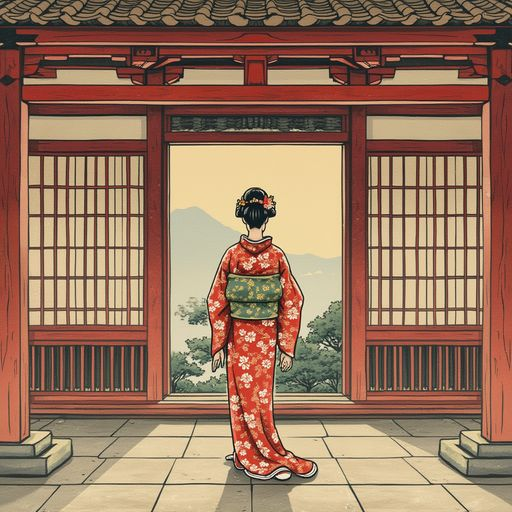
After you have chosen an image you like, you return to ChatGPT and create a short story about your landscape, which you then add to the image:

Finally, you export your work as a high-resolution file, which will become an NFT in the future.
Creating NFT art is an exciting process that opens up new opportunities for artists and creatives. Using AI in this process can help you create unique and interesting works of art. We hope this lesson has helped you understand how you can use Flux and ChatGPT to create your own NFT.